
Premium Carton Carrying Handle Solutions for Secure Box Transport
Have you ever struggled to grip a bulky cardboard box? A carton carrying handle is a rigid or flexible attachment, often made of plastic or reinforced paper, that is fitted onto the box’s side or top panel. It distributes the load’s weight from the fragile cardboard surface to the integrated handle structure, allowing for a secure, comfortable grip with one hand. To use it, simply lift the handle upward until it clicks into its open position, then carry the carton steadily without the bottom sagging.
Why Portable Grip Matters for Corrugated Boxes
Portable grip is the defining factor that transforms a corrugated box from a clumsy container into an ergonomic tool. Without a secure carton carrying handle, even a perfectly packed box becomes a liability for the user. The handle must allow fingers to distribute weight evenly, preventing the sharp edges of the corrugated board from digging into the palm. A die-cut grip that does not flex under load ensures the box can be carried comfortably for longer distances without strain.
A well-designed portable grip eliminates the urge to reposition the box mid-carry, which is the primary cause of dropped loads and product damage.
Ultimately, the practical value of the entire carton hinges on this single point of user contact; if the grip fails, the box fails.
Key Roles of Attached Handles in Ease of Transport
Attached handles fundamentally alter box transport by creating a balanced, secure grip point. This eliminates the need to hug a cumbersome load, allowing the user to maintain an upright posture and shift weight efficiently. The handle’s placement counteracts the box’s center of gravity, reducing the risk of tipping or spillage during movement. A properly integrated handle also distributes the tensile load across corrugation, preventing tearing and ensuring the box retains its structural integrity over repeated carries.
- Enables one-handed transport while keeping the other hand free for opening doors or stabilizing the load.
- Minimizes lateral sway by fixing the hand’s position directly over the box’s weight axis.
- Reduces strain on fingers and palm by replacing a pinch grip with a full-power, ergonomic hold.
How a Simple Cutout Improves Box Handling
A simple cutout transforms a standard corrugated box into a manageable load. By creating a smooth aperture directly into the board, it allows your fingers to curl through and grip the inner wall, shifting the force from your fingertips to the stronger palm and forearm. This eliminates the strain of pinching slippery cardboard and drastically reduces accidental drops. The cutout also provides a stable pivot point, making it easier to tilt and slide the box without smashing your knuckles against the side.
- Distributes weight evenly across your hand instead of pinching a single edge.
- Prevents the box from crushing inward when you lift, maintaining structural handling stability.
- Creates a natural handhold for one-handed carrying during loading or stacking.
- Eliminates the need to adjust your grip as the cardboard fatigues.
Types of Box Grips and Their Design Variations
Carton carrying handle grips boil down to a few key design variations. The most common is the die-cut tuck-in flap, where a punched hole lets you fold a small tab for a padded fingerhold. Another is the reinforced plastic or paperboard strap, which is glued across the box top to create a loop. For heavier loads, rigid plastic inserts or metal wire handles snap into die-cut slots, distributing weight across the carton. Some grips use a webbed, tear-resistant film patch that adheres to the box surface.
A critical insight: the handle’s shape—be it a simple oval slot or a contoured trigger-grip cutout—directly determines comfort, as a wider curve reduces pressure points on your fingers.
Die-Cut Openings for Standard Cardboard Packages
Die-cut openings for standard cardboard packages are precisely stamped apertures that are removed from the panel to form a handhold. For a carton carrying handle, the cut must balance ergonomic clearance with structural integrity, often utilizing a folded tab or a cushioned flap to relieve pressure on the fingers. The rectangular shape of the opening is typically 2–4 inches long, positioned near the top of the package to align with the center of gravity. These openings effectively eliminate the need for attached handles on lightweight to medium-duty retail boxes.
Die-cut openings rely on strategic panel removal to create a functional, integrated carrying handle directly in the cardboard substrate.

Plastic and Taped Add-Ons for Heavy Loads
For heavy loads, standard die-cut handles often fail, making plastic clip-on handles and taped fabric loops essential upgrades. These add-ons distribute weight across a larger panel area, preventing tearing under high strain. Plastic handles snap into pre-cut slots and feature ergonomic curves that reduce hand fatigue during transport. Taped fabric handles, meanwhile, are adhered directly to the carton’s surface, bearing tension through reinforced adhesive strips that wrap around the box edges. Both solutions allow single-person lifting of awkward or dense items without compromising the carton’s structural integrity.
Q: When should you choose a plastic clip-on handle over a taped fabric loop?
A: Choose plastic clip-ons when the carton has existing handle slots and you need a rigid, non-slip grip; choose taped fabric loops when retrofitting a standard box for immediate heavy-lifting needs.
Fold-In and Punch-Out Handle Styles
Fold-In handles are die-cut flaps integrated into the carton panel, which the user pushes inward to create a grip opening; this style maintains a flat surface for stacking and shipping. Punch-Out handle styles require the user to fully detach a pre-cut piece, leaving a clear carrying hole. The sequence for a typical Punch-Out design follows: first, the user presses the perforated tab inward; second, they completely remove the tab; third, they engage the handle hole. Fold-In variants often include locking tabs that tuck inside to prevent the flap from collapsing under load. The structural integrity of the punch-out opening depends entirely on the remaining carton material around the cutout.
Ergonomics and User Comfort During Lifting
Effective ergonomics during lifting hinge on a handle that aligns the hand and wrist in a neutral power grip, eliminating awkward angles that strain the forearm. A well-designed carton carrying handle distributes the load across the palm’s padded base, not the delicate finger joints, reducing muscle fatigue during repeated lifts. The handle’s width must allow the fingers to fully wrap without splaying, and its texture should provide secure traction even with sweaty palms.
If the handle forces your wrist to bend up or down as you lift, the stress on your carpal tunnel and elbow skyrockets—ruining comfort and risking injury.
The ideal handle profile is smooth, slightly contoured, and located high on the carton to keep the load close to your torso, minimizing lower back strain. Every millimeter of handle shape directly dictates whether a lift feels effortless or punishing.
Reducing Strain with Curved and Padded Hold Points
Curved and padded hold points on a carton carrying handle are engineered to minimize hand fatigue by distributing load pressure across a broader surface. The gentle curve aligns with the natural palm contour, preventing sharp edges from digging into soft tissue. Padded materials, like foam or rubber, absorb shock during movement, reducing muscle tension in the fingers and wrist. This design directly lowers repetitive strain risk, allowing for longer, safer lifts without discomfort. Load dispersion is the key mechanism, turning a painful grip into a controlled hold.
- Reduces localized pressure points on the palm and fingers
- Prevents wrist stress by promoting a neutral hand posture
- Absorbs vibrations and micro-impacts during transport
- Allows for extended lifting periods with reduced muscle fatigue
Optimal Placement for Balanced Carrying
For optimal balance, the handle must align precisely with the carton’s center of gravity. Placing it too high shifts load weight down, straining your fingers; too low, and the carton tilts awkwardly. Mid-point placement neutralizes these forces, allowing natural wrist alignment and distributing force evenly across your grip. This reduces localized fatigue and prevents the carton from swinging, which compromises load stability and forces muscle compensation.
Q: Does the handle position affect how the carton sways while walking?
A: Yes, a centered handle minimizes rotational momentum, keeping the load steady and predictable with every step.
Material Choices for Durable Box Handles
The worn cardboard edge of a heavy printer box cuts into your palm, a reminder that the carton carrying handle is only as strong as its material. For durability, you must look beyond simple die-cuts. Ribbon handles, woven from polyester, withstand repeated use and distribute weight without tearing the carton itself. Alternatively, rigid plastic inserts clip into the flap, reinforcing the cutout so it won’t buckle under a laptop or books. Polypropylene webbing offers the best balance of tensile strength and flexibility for heavy loads, preventing the handle from snapping mid-carry. Even a glued-on fabric tab, if heat-sealed, can outlast the box’s corners. Each choice pivots on whether you need a single-lift solution or a handle that survives a long move.
Reinforced Cardboard Layers for Strength
Reinforced cardboard layers directly enhance handle durability by distributing tensile stress across multiple bonded plies. A double or triple lamination around the cut-out area prevents edge-tearing during lifting. The targeted multi-ply reinforcement concentrates strength precisely where the handle meets the box, rather than adding weight to the entire carton. This layered approach resists shear forces when the carton is loaded, ensuring the handle does not delaminate under repeated use. Flute orientation between layers is aligned to bear weight vertically, maximizing rigidity without increasing material thickness elsewhere.
- Uses staggered fibre directions between layers to resist tearing along grain lines
- Requires only a small reinforced patch, typically 2-3 inches wide around the handle slot
- Can be integrated with existing single-wall board to avoid separate handle inserts
- Thickness increase of just 0.5–1.0 mm doubles the handle’s load capacity
Flexible Polypropylene vs. Rigid Plastic Inserts
Flexible polypropylene handles conform to the hand, distributing load across a wider surface area to reduce pressure points, while rigid plastic inserts maintain a fixed shape that can dig into fingers under heavy loads. For repeated use, flexible polypropylene resists cracking from flex fatigue better than rigid inserts, which may snap if the box is dropped. Rigid plastic, however, provides a sturdier attachment point that prevents tearing from thin corrugated board. The best choice hinges on the box weight: flexible polypropylene excels for moderate loads, whereas rigid inserts are better for heavy-duty carton carrying handle applications requiring structural stability.
Flexible polypropylene prioritizes ergonomic comfort and impact resistance; rigid inserts prioritize load-bearing stability and secure attachment.
Biodegradable Options for Eco-Friendly Shipping
For eco-friendly shipping, carton handles fabricated from polylactic acid (PLA) derived from cornstarch offer a fully compostable alternative to traditional plastics. These biodegradable handles maintain sufficient tensile strength for single-use transport of lightweight to medium loads, breaking down in industrial composting facilities within 90 days. Another effective option is molded pulp, formed from recycled paper fibers, which provides a rigid, tear-resistant grip that biodegrades naturally in home compost systems. When selecting such handles, verify they are certified compostable for commercial waste streams to ensure proper disposal and avoid contamination of recycling batches.
Applications Across Industries
In beverage distribution, carton carrying handles enable safe transport of multi-pack bottles and cans, reducing strain on consumers’ hands. The e-commerce sector relies on integrated handles for heavy corrugated boxes, ensuring secure delivery without additional taping. For retail hardware packaging, handles turn bulky containers of nails or fittings into portable units, improving in-store handling. Specialty handles in chemical supply chains incorporate slip-resistant cuts to maintain grip even when cartons are exposed to minor moisture. Grocery logistics use glued-on plastic handles for large pet food bags, allowing shoppers to carry them comfortably. These applications prove that a well-designed handle directly enhances user convenience across vastly different product categories.
E-Commerce and Retail Packaging Needs
In e-commerce and retail, the carton carrying handle must withstand repeated handling during fulfillment, transit, and last-mile delivery without failing. For retail, handles facilitate in-store carry-out, often for bulk or heavy purchases, where a reinforced die-cut handle prevents tearing on glossy carton stock. E-commerce packaging specifically demands handles that allow consumers to transport heavy parcels from doorstep to home without discomfort; thus, integrated handles must distribute weight to avoid hand-strain. Reinforced, ergonomic handle designs are critical here to reduce returns from damaged boxes and improve customer satisfaction.
Q: What is the primary difference between e-commerce and retail handle requirements?
A: E-commerce handles prioritize durability against drop and crush forces during shipping, while retail handles focus on ergonomic, tear-proof comfort for in-store carrying.
Industrial and Bulk Container Transportation
For industrial and bulk container transportation, the carton carrying handle must prioritize load stability and ergonomic weight distribution over retail aesthetics. Handles on bulk containers, such as corrugated bins for chemical powders or heavy mechanical parts, are often reinforced with double-layer die-cut apertures or attached handle for box polypropylene straps to prevent tearing under sustained tension. The handle’s placement is critical: centered on the container’s vertical axis to avoid torque imbalance when lifting stacked units by forklift or manual pallet jack. Bulk container handle reinforcement directly reduces worker fatigue and product damage during repeated transfer cycles.
Q: What is the primary failure point for handles in bulk container transportation? A: The perforation cut or attachment joint, which must withstand shear stress from sudden acceleration changes during loading and unloading.
Food Delivery and Grocery Carrier Solutions
For food delivery and grocery carriers, the carton carrying handle directly impacts spill prevention and bag integrity. A reinforced handle design distributes the weight of heavy items like gallon jugs or produce boxes, reducing tears during transit. Integrated handle cutouts on corrugated boxes allow couriers to grip multiple containers securely, minimizing contact with food surfaces. This solution is crucial for maintaining temperature control bags inside insulated cartons.
- Ergonomic handles prevent hand fatigue during multi-stop grocery deliveries
- Moisture-resistant handles withstand condensation from chilled or frozen goods
- Fold-flat handles on pizza or catering cartons enable efficient stacking in carriers
Manufacturing and Integration Techniques
For carton carrying handle production, manufacturers often use high-speed die-cutting to punch pre-formed plastic or paperboard handles from a roll. These are then fed into a carton erector where they’re glued or heat-sealed directly onto the flat blank. A key technique involves applying hot-melt adhesive in precise, narrow beads to the handle’s mounting tabs, ensuring a strong bond without gumming up the machinery. Alternatively, for fully automated lines, pre-applied pressure-sensitive tape on the handle allows instant attachment as the carton folds. The integration must align the handle with pre-cut slots or flaps so it locks flush, preventing snags during packing and shipping.
Automated Die-Cutting Processes in Box Production
Automated die-cutting processes in box production precisely carve carton carrying handles into flat blanks using steel-rule dies mounted on high-speed presses. This technique cuts and scores handles in a single pass, ensuring consistent slot dimensions for effortless consumer grip. Precision handle integration eliminates manual trimming, reducing waste and speeding throughput. The dies can be engineered for custom shapes—such as ergonomic curves or reinforced tear-out tabs—directly within the production flow.
- Steel-rule dies cut and score handle openings in one automated cycle.
- High-speed presses maintain uniform handle dimensions across thousands of blanks.
- Custom die designs allow ergonomic shapes without slowing production.
- Integrated stripping removes waste scrap immediately after cutting.
Manual Attachment Methods for Specialized Grips
For specialized grips, such as ergonomic foam or contoured plastic handles, manual attachment often involves applying a two-part cyanoacrylate adhesive directly to the carton’s designated panel. The operator must align the grip precisely within a jig before applying sustained hand pressure for 10–15 seconds to ensure a secure bond. Alternatively, a heat-activated adhesive film is pre-applied to the grip’s base; a manual hot-air gun then activates the glue, with the operator pressing the grip into place until the film sets. Both methods require consistent surface preparation, including cleaning and slight scoring, to prevent joint failure under load.
Manual methods rely on precise adhesive application and sustained hand pressure to bond specialized grips directly to the carton surface, ensuring load-bearing integrity.
Safety and Load-Bearing Considerations
The safety of a carton carrying handle is directly tied to its load-bearing capacity, which must match the combined weight of the carton and its contents. A handle’s material strength and attachment method determine whether it can sustain the stress of lifting without tearing or detaching. For comfort and injury prevention, the handle’s width must distribute pressure to avoid cutting into fingers, while the attachment points must be double-reinforced to prevent failure under sudden movement. The handle’s weight rating is only valid if the load is balanced and the carton is not overstuffed. Using a handle that exceeds its load limit causes dangerous instability, leading to dropped loads and potential harm. Always verify the handle’s rated capacity against the total carton weight before lifting.
Testing Weight Capacity and Handle Tear Resistance
To ensure a carton doesn’t fail mid-carry, handle tear resistance testing replicates real-world stress by applying incremental weight until the handle separates from the board. First, technicians cut a slit and mount the handle to a tensile testing machine. Second, they pull steadily, measuring the force required to initiate a tear or cause complete detachment. Simultaneously, weight capacity tests load the assembled carton with sandbags or water jugs, gradually increasing mass while monitoring handle deformation and board buckling. This dual assessment identifies weak points—like insufficient reinforcement or poor adhesive bonds—guaranteeing the handle withstands peak loads without snapping or ripping through the corrugated substrate.
- Secure handle to tensile tester and calibrate zero-load baseline
- Apply increasing weight at a consistent rate until structural failure
- Record maximum load and failure mode (tear, snap, or buckle)
Preventing Accidental Detachment During Use
To prevent accidental detachment during use, a carton carrying handle’s design must integrate redundant load-locking mechanisms that engage the moment weight is applied. A sudden jerk or off-balance shift can defeat a single glue point, so reinforced die-cut tabs should interlock with the carton’s internal structure. Even a handle that feels secure at rest can fail when the box swings during transit.
- Ensure the handle’s mounting slots are deeper than the carton’s board thickness to prevent slippage.
- Use handles with broad base flanges that distribute stress away from the insertion point.
- Check that the adhesive or mechanical lock is rated for dynamic, not just static, load.
Trends in Sustainable Package Grips
Contemporary sustainable package grips for carton carrying handles prioritize ergonomic integration with recycled materials. A leading trend replaces die-cut finger holes with molded, recyclable pulp or bioplastic inserts that contour to the hand, reducing pressure points. These integrated grips eliminate the need for separate plastic clips or foam tubes, streamlining recycling. For heavier loads, designers are adopting reinforced handle straps made from post-consumer waste paper or woven agricultural fibers, which are laminated directly to the carton’s interior. The focus is on creating a natural, comfortable grip that remains fully recyclable as one material stream, avoiding the common pitfall of composite handles that complicate disposal. Such carton carrying handle innovations require precise material density calculations to ensure the grip does not tear under wet or cold conditions.
Minimalist Designs That Reduce Material Waste
Minimalist designs for carton carrying handles reduce material waste by eliminating excess plastic or paper through cut-out geometries and integrated tabs. A single, die-cut strip bends to form a secure grip, replacing bulky, multi-component handles. Reduced material use directly lowers the packaging’s carbon footprint. Some designs achieve this by converting the carton’s own flap into the handle, requiring no additional substrate.
How do minimalist handles ensure sufficient strength with less material? They rely on strategic fold-lines and stress-distribution slits, which reinforce the remaining substrate along load-bearing edges.
Recyclable and Compostable Handle Alternatives

For carton carrying handles, recyclable and compostable handle alternatives are now available in fiber-based or bioplastic forms. Recyclable options, like paperboard inserts or PET-G straps, integrate directly into carton recycling streams without removal. Compostable handles, typically made from PLA or molded pulp, require industrial composting facilities to break down fully. A molded pulp handle often requires a thicker profile than plastic to match tensile strength, affecting user grip comfort. Both types avoid permanent adhesives that contaminate recycling; instead, they rely on mechanical interlocking or water-soluble glues.
| Material | End-of-Life Path | Key Handling Property |
|---|---|---|
| Molded pulp | Compostable (industrial) | Rigid but absorbent |
| PLA bioplastic | Compostable (industrial) | Brittle under cold loads |
| Paperboard strap | Recyclable (paper stream) | Low stretch strength |
Comparing Different Handle Configurations
Comparing handle configurations reveals a direct trade-off between comfort and control. A single, centered strap offers balanced weight distribution for one hand but can cause the carton to swing awkwardly. In contrast, dual side handles provide superior stability and allow two people to lift heavy loads, though they require more material. The key question is: should you prioritize a balanced single-hand carry or stable two-person handling? This choice dictates whether users fumble with a swinging box or enjoy a secure, upright grip. Cutout handles, while cheap, dig into fingers, whereas padded or contoured plastic inserts reduce pressure points significantly. Ultimately, the best configuration hinges entirely on the carton’s weight and whether it is carried briefly to a car or for prolonged warehouse work.
Single Punch-Out vs. Dual Supporting Grips
When comparing handle configurations, single punch-out handles offer a minimalist, cost-effective solution for lightweight cartons, but they lack the stability needed for heavier loads. A single cutout forces all weight onto the fingertips, causing discomfort and potential tearing. In contrast, dual supporting grips distribute the load across the entire palm, using two offset holes that engage hand muscles more efficiently. This design dramatically reduces pressure points and provides superior control. For any carton exceeding five pounds, dual grips are clearly superior, preventing dropped packages and user fatigue.
Q: Which handle type better prevents carton failure during transport?
A: Dual supporting grips significantly outperform single punch-outs by balancing stress across two contact points, lowering the risk of handle tearing and load slippage.
Top-Mounted Handles Versus Side Cutouts
Top-mounted handles distribute the carton’s weight directly beneath the grip, reducing wrist strain during transport, whereas side cutouts shift the load to the fingers, often causing discomfort with heavier items. Top-mounted handles versus side cutouts also dictates user leverage; a top handle provides a balanced, central lift, while side cutouts create an off-center pull that can destabilize the carton. Side cutouts excel for shallow boxes where a top handle would protrude awkwardly, but they demand a stronger grip. The cutout’s structural weakness—lacking a reinforced strap—makes it prone to tearing under repeated tension compared to a top handle’s integrated support.
Customization for Branding and Marketing
Customization for Branding and Marketing on a carton carrying handle transforms a functional necessity into a silent salesperson. Printing your logo, brand colors, or a short, punchy tagline directly onto the handle ensures your message is seen at eye-level as the customer carries your product. Unlike the box body, the handle has a unique, unboxed visibility in the critical “transit and use” moments.
A die-cut handle shaped like your product or logo creates an immediate, tactile brand recall that flat surfaces cannot match.
Using high-contrast UV inks guarantees the branding remains vibrant despite friction and handling. This turns every single trip from store to home into a repeat exposure for your brand, reinforcing recognition and encouraging loyalty without any extra media spend.
Printed and Shaped Carry Points for Logo Visibility
Printed and shaped carry points transform a simple handle into a prime branding spot. You can stamp your logo directly onto the custom carton handle die-cut, ensuring it’s seen every time someone grabs the box. For extra impact, shape the handle itself around your mark—like a cutout that mirrors your icon. This makes the brand touchpoint impossible to miss. Follow a simple process:
- Design a die-cut that outlines your logo.
- Print your brand colors and tagline onto the handle surface.
- Integrate the handle shape with the logo’s silhouette.
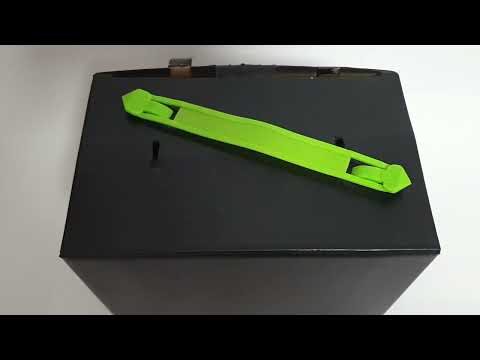
This turns a functional grab into a quiet marketing moment.
Color-Coded Grips for Product Line Differentiation
Color-coded grips transform a standard carton carrying handle into a silent brand ambassador, allowing manufacturers to visually segment product lines without altering packaging logistics. By assigning distinct hues—such as blue for chilled beverages or red for heavy-duty items—retail staff and consumers instantly identify product categories at a glance. This differentiation streamlines inventory management on crowded shelves and reduces picking errors in warehouses. The polypropylene or TPR material accepts durable pigments that resist fading during transit, ensuring the color signal remains clear from factory floor to end user. A simple rainbow shift in grip tone can communicate organic, premium, or economy tiers, making the handle an intuitive navigational tool.
Color-coded grips turn a universal handle into a visual product-line hierarchy, boosting shelf clarity without altering handle design or structural integrity.
Why Adding a Carrying Handle Transforms a Standard Box
How Handles Change the Way You Lift and Move Cardboard Boxes
Key Differences Between Handled and Handleless Cartons for Daily Use
Types of Carton Carrying Handles and Their Specific Uses

Plastic Punch-Out Handles: When They Work Best
Tape-Based or Adhesive Handles for Quick Application
Reinforced Die-Cut Handles Built into the Box Flap
How to Choose the Right Handle for Your Box Weight and Size
